Introduction For growing engineering and project-focused firms, “Work in Progress” (WIP) isn’t just some accounting number. It’s a real pulse check on how your projects and cash flow are doing. Once a company moves past the startup hustle, a typical challenge appears: project teams use their favorite management tools, think Asana, Trello, or monday.com – […]
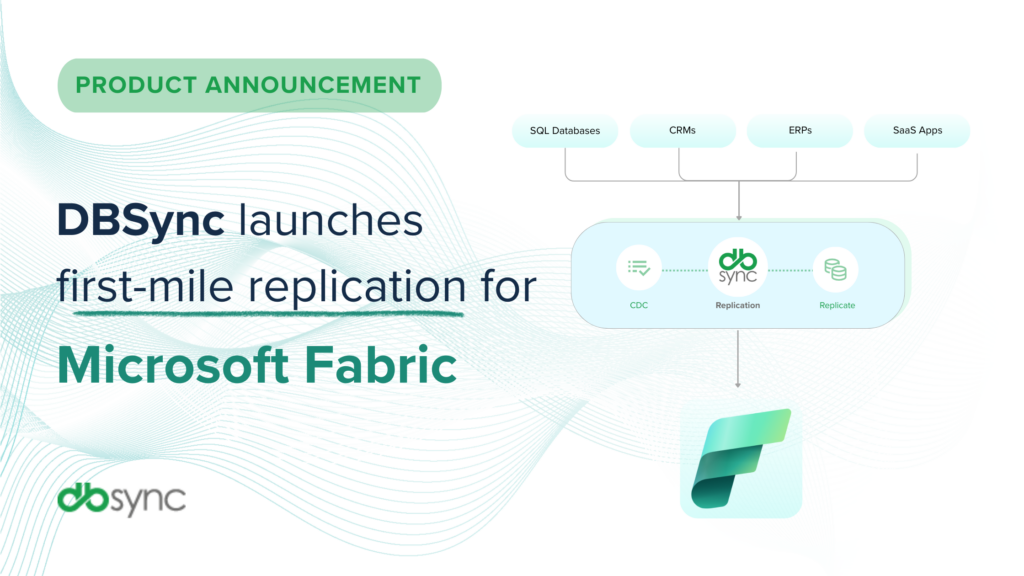
DBSync launches first-mile replication for Microsoft Fabric
We’re excited to announce that DBSync now supports replication to Microsoft Fabric: Warehouse and SQL Database. With this update, organizations can move CRM, ERP, and SQL data directly into Fabric in a way that’s clean, consistent, and analytics-ready. This means Fabric customers can accelerate BI, AI, and real-time decision-making without relying on fragile, manual, or […]
Analytics Best Practice: Order-to-Cash Performance & more KPI’s
I am often asked what are the relevant reports or metrics we need to track while integrating between the Order-to-Cash process. Here is a list of reports that you will find useful while thinking through your business integration needs – mainly between CRM or eCommerce applications like Salesforce and Accounting systems like QuickBooks, Intacct or others.
CRM Data Migration: Guide to Keeping your Data Clean
For organizations to streamline their operations, improve customer insights, and make better decisions, they need to migrate data between various CRM systems and other applications. Yet, the success of these undertakings crm data migration best practices often depends on whether data integrity remains intact throughout migration and beyond; in addition to their consistency and accuracy. […]
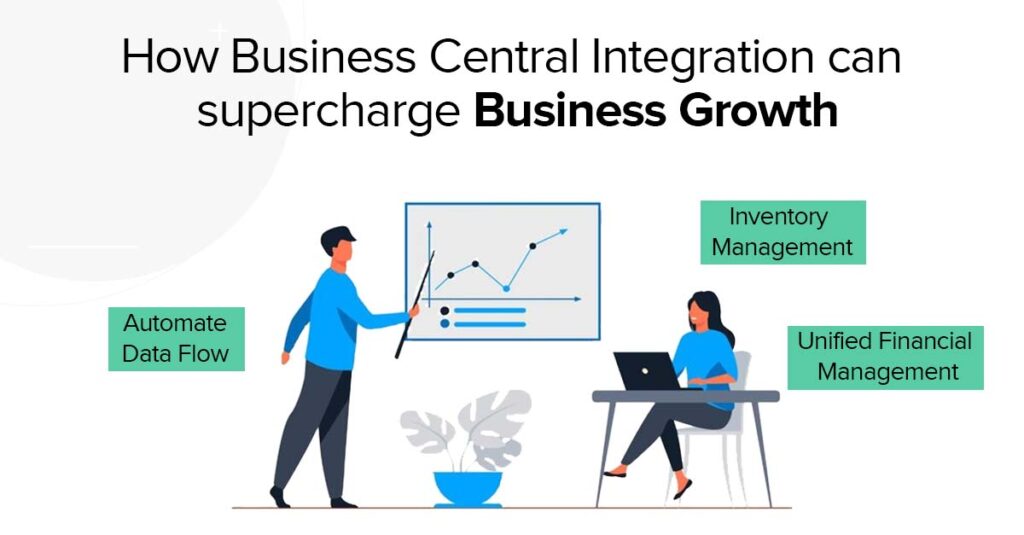
How Business Central Integration can supercharge Business Growth
In today’s competitive business landscape, having an integrated view of your operations is crucial for informed decision-making and driving growth. Businesses prefer to use all-in-one ERP systems such as Microsoft Dynamics Business Central (BC) where they don’t have to purchase different modules for different teams such as Sales ,Finance or Inventory. We also see companies […]
A School Division’s Journey Towards Optimal Management and Analytics Excellence
Exploring the Dynamic of Data Warehousing and Salesforce Integration In this insightful video, Jonathan Edwards, esteemed IT Architect at Virginia City Public Schools (VCPS), unveils the remarkable journey of technological advancement within the school system. Join him as he delves into the key initiatives that have propelled VCPS to new heights: Understanding Data Warehousing: A […]
Marketing Automation and CRM Platforms Integration
The following Infographic explains the Marketing Automation and CRM Platforms Integration in visually simplest form. We would be delighted to discuss your use case and explore how DBSync can support your success. Please feel free to Schedule a meeting with us.
Best Practices on Securing Data When Replicating Salesforce to your Database
All companies today have the critical responsibility of managing and maintaining data. Whether it’s the personal information of employees or the confidential operations of the business, it is important to not only secure this data but to gain the insights on what can be improved. With SaaS applications like Salesforce, it is much easier for […]
Why Analyzing Sales Data Is Important for Businesses
High-performing sales teams use data as the foundation for their success. Whether looking to increase sales, maximize profit, grow the sales team or beat the competition, Sales leaders have more than enough data readily available in their customer relationship management (CRM), and/or enterprise resource planning (ERP) systems. Many companies implement a CRM system and push […]
Automation in Sales Process
Sales Process Sale is a complicated profession with many competing tasks that distract from revenue-generating activities. A new study of more than 720 reps shows that today’s salespeople are spending the majority of their time on activities other than sales. Nearly two-thirds (64.8%) of reps’ time, on average, is spent in non-revenue-generating activities, leaving only 35.2% for […]